Common Weatherization Techniques and Signs Weatherization Is Needed
Is the home drafty? Do energy bills seem unusually high? These can be signs that a home could benefit from weatherization. Weatherization involves a variety of techniques designed to seal the building envelope, enhancing energy efficiency and comfort by sealing air leaks and improving insulation. This post will share signs indicating a home needs weatherization services and some common and beneficial weatherization methods.
Signs a Home Needs Weatherization
 Recognizing the signs that a home needs weatherization is the first step toward a more comfortable and energy-efficient living space. One of the most common indicators is the presence of noticeable drafts, especially near windows and doors, even when they are closed. These drafts are often accompanied by visible gaps or cracks around doors and windows, allowing conditioned air to escape and unconditioned air to enter. Inconsistent indoor temperatures throughout a house, with some rooms cooler while others are too warm, can also point to inadequate insulation or air sealing and the need for weatherization.
Another sign that indicates a home would benefit from weatherization is high energy bills. High utility bills can signal that the heating and air conditioning systems are working harder than necessary to maintain desired indoor temperatures due to air leaks or poor insulation. Additionally, if people notice that dust accumulates rapidly indoors, it can indicate gaps in the building envelope that weatherization can address. Addressing these issues not only improves home comfort but also improves energy efficiency, which can lead to substantial savings on energy costs over time.
Weatherstripping
 Weatherstripping is used to seal openings around movable components of a building, primarily doors and windows. It's typically made from materials like foam, rubber, felt, and vinyl, designed to compress and create a tight seal when a door or window is closed. The primary purpose of weatherstripping is to prevent air leakage, which includes the infiltration of drafts, dust, moisture, and even sound. By creating a barrier between the indoor and outdoor environments, weatherstripping plays a crucial role in maintaining a consistent indoor temperature and protecting the interior from external elements.
The benefits of properly installed weatherstripping are significant. Firstly, it improves a home's energy efficiency by reducing the amount of conditioned air that escapes and unconditioned air that enters. This lessens the workload on heating and cooling systems, leading to lower energy consumption and reduced utility bills. Secondly, weatherstripping enhances indoor comfort by eliminating cold drafts in winter and preventing hot air from entering in summer. Additionally, it helps to keep out dust and allergens, contributing to better indoor air quality, and can even reduce noise pollution from outside, creating a quieter living space.
Improving Insulation
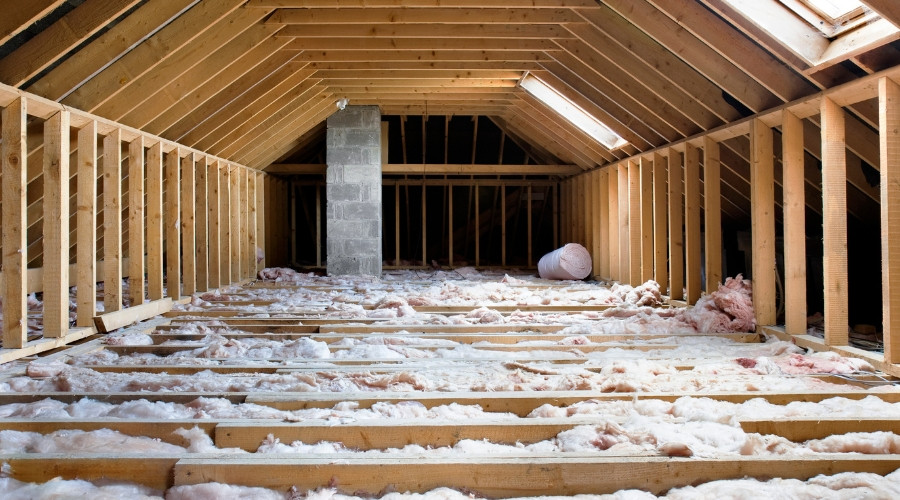
Beyond sealing air leaks around doors and windows with weatherstripping, enhancing a home's insulation is another effective weatherization technique. Adding insulation, particularly in attics and walls, acts as a thermal barrier, significantly slowing the transfer of heat between a home's interior and the outside environment. In colder months, this means the furnace or heating system doesn't have to work as hard to keep the house warm by preventing heat from escaping through poorly insulated surfaces. During warmer periods of the year, good insulation prevents external heat from infiltrating living spaces, reducing the demand on air conditioning. This consistent thermal regulation is crucial for maintaining a comfortable indoor temperature year-round, regardless of the weather outside.
However, the benefits of improved insulation extend far beyond just comfort. By reducing heat transfer, enhanced insulation directly translates to lower energy consumption for heating and cooling, resulting in substantial savings on utility bills. Furthermore, a well-insulated home experiences fewer temperature fluctuations, eliminating cold spots and overly warm areas, which contributes to a more consistent and pleasant indoor climate. It also helps lessen the strain on heating and AC systems, potentially extending their lifespan. Investing in better insulation is a long-term solution that not only makes the home more energy-efficient and comfortable but also increases its value.
About A-Plus Air Conditioning & Home Solutions
A-Plus Air Conditioning & Home Solutions is a family-owned and operated company serving the Austin area since 1977. They offer friendly and fast service, financing, and flat-rate pricing. Call them for weatherization services in Austin, TX.